Training & Improvement
AI-Powered Pickleball Training: A Smarter Way to Improve Your Game
Turn video, rally data, and practice notes into a clearer plan for your next session.
Published August 17, 2026 · 5 minute read
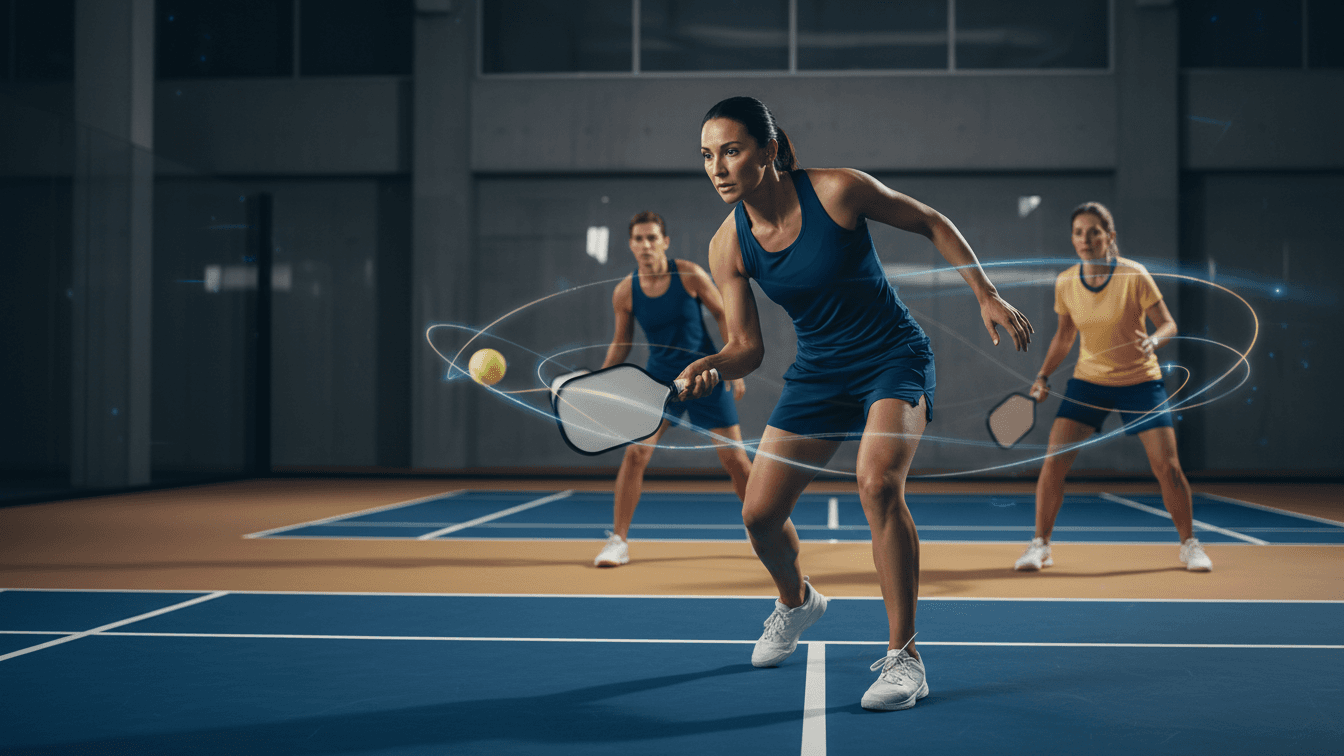
Pickleball rewards quick decisions, clean mechanics, and the ability to learn from the point that just got away. The challenge is that feedback can be inconsistent: a player may remember the missed return but not the footwork, paddle angle, or shot selection that created it. AI-powered training tools offer a practical way to make that feedback loop clearer.
Used thoughtfully, these tools do not replace a coach, a drilling partner, or time on court. They can help turn video, rally data, and practice notes into patterns a player can review between sessions. The aim is not to chase a dashboard. It is to practice with a better question in hand.
From “I Missed It” to Useful Feedback
A missed third-shot drop can have several causes. Perhaps the contact point was late. Perhaps the ball was taken from too far behind the body, or the player chose a low-percentage target while under pressure. Video-based analysis can slow the moment down and make those details easier to see.
Some platforms use computer vision to tag ball movement, player position, or common stroke moments. Others organize clips so players can compare similar points over time. Even simple tools that let you mark a rally, add a note, and revisit it later can be valuable. The useful output is not a verdict on your game; it is evidence you can test in the next drill.
For example, rather than deciding that your dinks are “off,” review a small set of points and look for a recurring condition: are misses appearing when you are moving laterally, when the ball is below net height, or when you speed up too soon? A specific observation creates a specific practice plan.
A More Focused Practice Session
AI-assisted training is most effective when it supports one priority at a time. Start with a baseline: record a few games or drills, then identify one area to explore. It could be return depth, transition-zone balance, backhand consistency, or decision-making at the kitchen line.
Build a short practice block around that theme. If your returns are landing short, use video or tracking feedback to review starting position, contact location, and target depth. Pair the technology with a measurable drill: hit a defined number of returns into a marked deep zone, then review only the clips that meet or miss the goal. This keeps practice grounded in repetition rather than analysis for its own sake.
A coach can add essential context here. Data may show a pattern, but it may not explain why it matters in a particular matchup or how to change it safely. Bring a few clips and a focused question to a lesson. That gives the coach more time to teach, and gives the player a clearer way to retain the lesson afterward.
Better Decisions, Not Just Better Strokes
Pickleball is a problem-solving sport. A player can strike the ball cleanly and still choose the wrong moment to attack. Match review can help reveal the decision patterns behind unforced errors: speeding up from below the net, forcing a sideline pass, or drifting forward before a partner is ready.
When reviewing footage, separate execution from selection. Ask: Was the chosen shot appropriate for the ball, court position, and score? If the answer is yes but the ball missed, work on technique. If the answer is no, create a decision rule for the next session—such as resetting a low ball to the middle instead of attempting a winner. Small rules are easier to remember under pressure than broad advice like “be patient.”
Keep the Human Side in the Loop
The best training technology should make the game more understandable, not more anxious. A useful routine might be one recorded session per week, a 10-minute review, and one drill focus for the following session. Leave room for free play, experimentation, and the social rhythm that makes pickleball enjoyable.
Privacy matters as well. Before recording others, ask for permission and follow the policies of your club or facility. If you use a third-party analysis service, review how it stores video and account information. Treat recordings as training material, not content to share casually.
AI-powered pickleball training is not a shortcut to perfect play. It is a way to notice more, test smarter, and carry useful feedback from one session to the next. Combine the technology with deliberate drills, qualified coaching where available, and a willingness to learn from ordinary rallies. The result is a more intentional path to improvement—one well-observed point at a time.